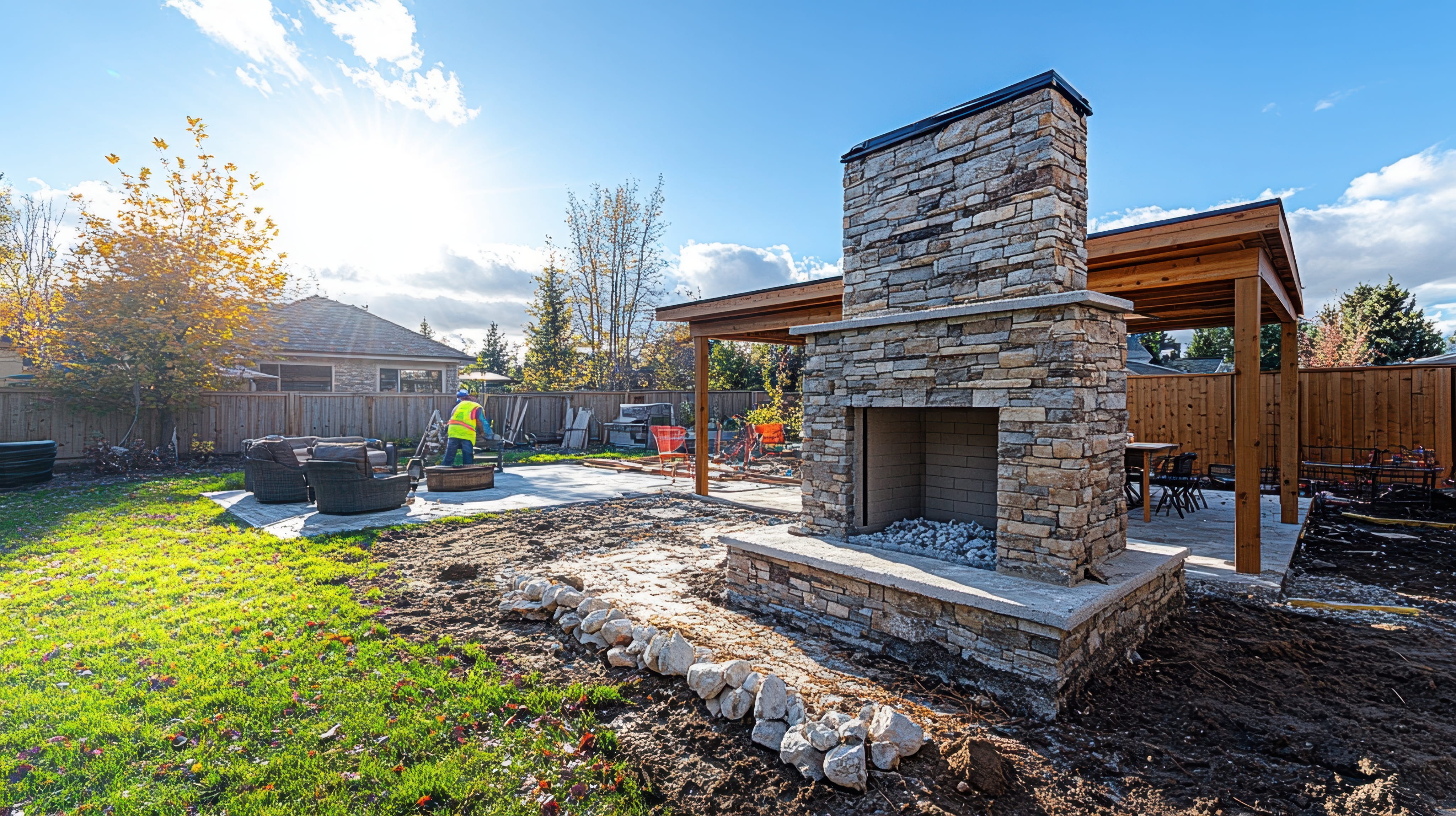
Your backyard transformation is a significant investment — and the contractor you choose will determine whether it becomes the outdoor space you imagined or a frustrating, expensive lesson in what to avoid. In the DFW area, outdoor living contractors range from highly skilled, experienced teams to unlicensed crews who disappear mid-project.
Knowing what to look for before you hire anyone protects your money, your property, and your peace of mind. Here is exactly what to evaluate before signing a contract with any outdoor living contractor.
Not every contractor who calls themselves a landscape or outdoor living company has experience with every type of project. A company that excels at lawn maintenance may have no business building a masonry outdoor kitchen. A crew that installs basic sod is not necessarily qualified to design and pour a stamped concrete patio.
Before anything else, confirm that the contractor has hands-on, verifiable experience with the specific type of work you need. Ask to see a portfolio of completed projects similar to yours. If you want a paver patio with a built-in fire feature and landscape lighting, you want to see that combination — not just individual photos of each element done separately by different crews.
Experience also matters at the local level. A contractor who has worked extensively in DFW understands the region’s clay soils, drainage challenges, and climate demands in a way that a generalist simply does not. Materials and installation methods that work perfectly in other parts of the country can fail in North Texas conditions if the contractor does not know what they are dealing with.
One of the clearest signals of a trustworthy outdoor living contractor is how they price their work. A professional operation provides a detailed, line-item proposal that breaks down exactly what is included — materials, labor, site preparation, drainage work, cleanup — so you know precisely what you are investing in.
Vague estimates that lump everything into a single number are a red flag. They give the contractor room to cut corners on materials or scope without you being able to tell. They also make it impossible to compare bids accurately, because you cannot compare what you cannot see.
Do not automatically choose the lowest bid. In outdoor living construction, the cheapest option is almost never the best value. Materials matter. Base preparation matters. Drainage matters. Contractors who underbid are usually cutting somewhere — and what they cut often shows up as cracking, settling, or premature failure within a few seasons.
Any contractor can claim to do great work. What you want is evidence — from real customers who have had real projects completed.
Check Google reviews specifically, and read them carefully. Look for patterns in what satisfied customers say — communication, quality of finished work, how issues were handled, whether the job came in on time and on budget. A handful of glowing reviews is nice; a consistent track record across dozens of detailed reviews is what actually tells you something.
Ask the contractor directly for references from past clients with projects similar to yours. A confident, reputable company will provide them without hesitation.
Also check whether the contractor can show you completed projects in the DFW area — ideally in neighborhoods similar to yours. A portfolio of finished work in the local market is far more valuable than generic before-and-after photos with no context.
How a contractor communicates before you hire them is exactly how they will communicate once the project starts. If they are slow to respond, vague about details, or evasive when you ask direct questions during the estimate process — do not expect that to change.
A professional outdoor living contractor should be able to clearly explain their process, answer your questions without pressure, walk you through material options honestly, and give you a realistic timeline. They should keep you informed and involved at every stage — not go silent for two weeks and show up unannounced with a crew.
Good communication also means being upfront about what can go wrong and how they handle it. Every outdoor project has surprises once work begins — soil conditions, drainage issues, utility line locations. A contractor who has a clear process for handling the unexpected is far more valuable than one who acts like nothing ever goes sideways.
For any outdoor living project that involves design, masonry, or installation of complex features, credentials matter. ISA-certified arborists, trained landscape designers, and experienced masons bring a level of technical knowledge that protects both the quality of the work and the long-term health of your investment.
Ask whether the contractor carries general liability insurance and workers’ compensation coverage. If a worker is injured on your property and the contractor does not carry proper coverage, you can face significant personal liability. A legitimate, professional operation carries insurance and can provide proof without being asked twice.
Planning a project? Explore our services: Landscape Design, Masonry & Hardscapes, Outdoor Patios & Pavers and Outdoor Living Spaces, or request your free estimate.

At Salas Outdoors, we check every box on this list — and we are happy to prove it. We bring ISA-certified expertise, a portfolio of completed DFW projects, transparent line-item pricing, and a communication process that keeps you informed from the first call through the final walkthrough. Every project is backed by multi-point quality inspections and completed with premium materials built for the North Texas climate.
If you are planning an outdoor transformation and want to work with a team that does it right the first time, get your free estimate from Salas Outdoors today and see the difference a professional contractor makes.


